Echoes of the Past: The Basilica Cistern\'s Forgotten Stories
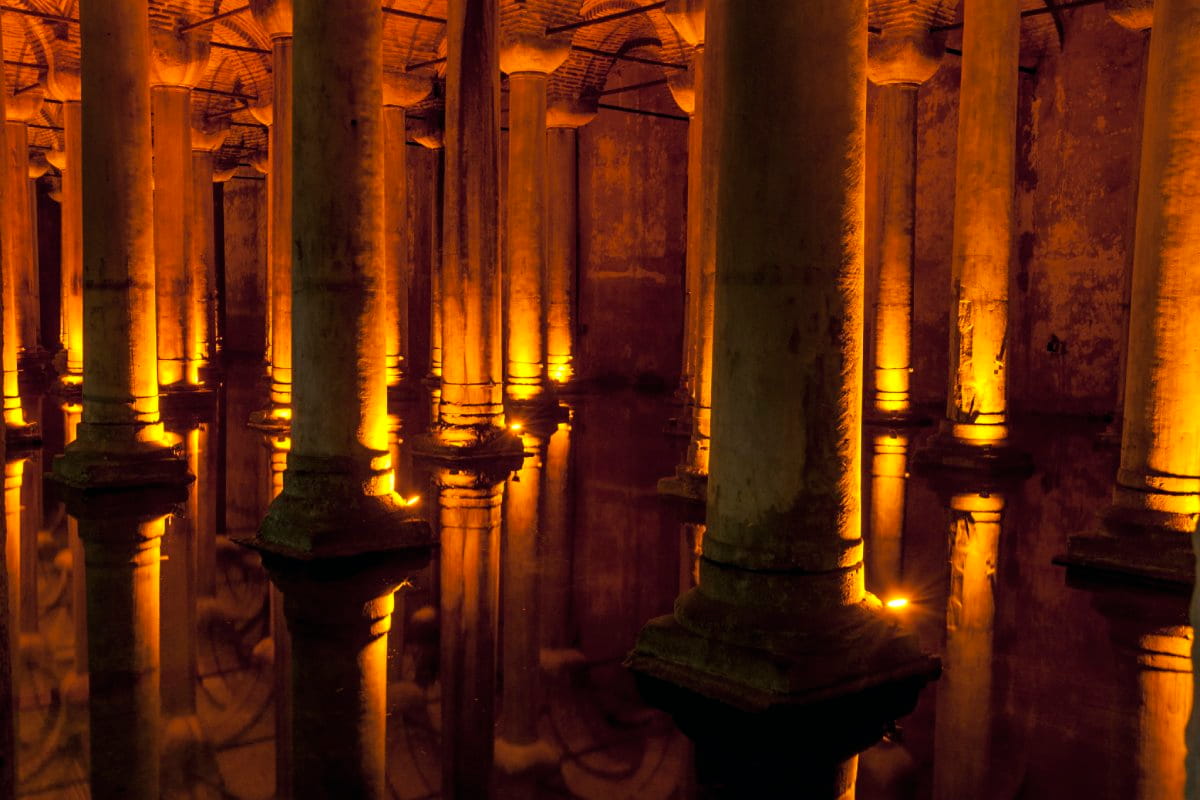
Stepping out of the vibrant, chaotic energy of Sultanahmet and descending the stone stairs into the semi-darkness feels less like entering a museum and more like crossing a threshold into another dimension. The air immediately grows cooler, heavy with the scent of old water and stone, while the cacophony of modern Istanbul fades into a rhythmic, echoing silence broken only by the drip of condensation. For most travelers in January 2026, the Basilica Cistern is a marvel of Byzantine engineering, a photogenic forest of columns reflected in still black water. However, beyond the well-lit walkways and the famous Medusa heads, there are whispers of history that often go unheard—narratives of forgotten laborers, accidental rediscoveries, and the eerie quiet of centuries spent in total darkness.
To truly understand the "Sunken Palace" (Yerebatan Sarnıcı), one must look past the architectural grandeur and seek out the human stories embedded in its masonry. This subterranean wonder was not merely a water reservoir; it was a stage for imperial ambition, a graveyard for the forgotten, and for a long time, a ghost story beneath the floorboards of unsuspecting residents. As you walk the raised platforms, imagine the torchlight flickering against these wet walls fifteen centuries ago, illuminating a scene far different from the serene atmosphere we experience today.
The Silent Laborers of Justinian
While history books often credit Emperor Justinian I with the construction of this cistern in 532 AD, the true cost of this monument was paid in human life and suffering. It was built to service the Great Palace and provide water filtration for the city, a necessity born out of the Nika Riots which had devastated Constantinople. Historical accounts suggest that over 7,000 slaves were involved in the construction of this massive underground chamber. These were not paid artisans; they were captives and laborers working in damp, dangerous conditions to carve out a legacy for an emperor who lived in the sunlight above.
There is a specific column that serves as a silent memorial to this tragic history, often bypassed by visitors rushing to see the Medusa heads. Known as the "Weeping Column" or the "Tear Column," it is adorned with carvings that resemble teardrops or the eyes of a peacock. Unlike the other dry columns, this one remains perpetually wet, a phenomenon caused by the specific porousness of the marble. Legend, however, offers a more poignant explanation: it is said to weep for the hundreds of slaves who died during the cistern's construction. Touching its damp surface connects you directly to the grief and toil of the anonymous hands that built this empire.
The Lost Centuries: A Garden Over the Water
Perhaps the most fascinating chapter in the cistern's history is the period when it simply ceased to exist in the collective memory of the city's rulers. After the Ottoman conquest of Constantinople in 1453, the new administration, which preferred running water over stagnant reservoir water, largely ignored the cistern. Slowly, the magnificent underground palace was forgotten. Houses were built over it, gardens were planted, and life continued above ground with no knowledge of the aquatic cathedral lying just a few meters beneath the cobblestones.
For nearly a century, the Basilica Cistern remained a local secret, known only to the residents of the wooden houses in the area. They experienced strange phenomena that they couldn't explain but happily exploited. Residents would lower buckets through holes in their floorboards to draw up fresh water. Even more incredibly, some accounts suggest they could catch fish right from their living rooms. It was a utilitarian convenience for the locals, completely disconnected from the grand imperial history it represented.
The Curious Case of Petrus Gyllius
The rediscovery of the cistern is a story that rivals any adventure novel. In the mid-16th century, a French scholar and traveler named Petrus Gyllius arrived in Constantinople searching for Byzantine antiquities. While exploring the Hagia Sophia area, he began hearing strange stories from local residents about water being drawn from floors and the mysterious abundance of fish.
Driven by curiosity, Gyllius eventually found a way underground through the basement of a wooden house. What he discovered shocked the Western world: a colossal subterranean lake, navigated by a small boat, holding up the city above. He rowed through the forest of columns by torchlight, measuring the dimensions and counting the pillars, effectively bringing the "Sunken Palace" back onto the map of history. Without his inquisitive nature and the strange tales of fishing from living rooms, this wonder might have remained hidden for centuries longer.
Architectural Mysteries: Spolia and Medusa
The construction of the cistern is a masterclass in recycling, a practice known as "spolia." The 336 marble columns that support the roof were not cut specifically for this site; they were salvaged from ruined temples and monuments across the Roman Empire. This gives the cistern its eclectic appearance, with a mix of Ionic and Corinthian capitals, and different types of marble ranging from granite to white Proconnesian stone. This reuse of materials was efficient, but it also embedded fragments of forgotten pagan temples into the foundation of a Christian city.
The most famous examples of this recycling are the two Medusa heads used as plinths for columns in the northwest corner. One is positioned upside down, the other sideways. While modern guidebooks might suggest this was to negate the Gorgon's deadly gaze, the reality is likely more pragmatic. By the time of Justinian, Christianity had taken hold, and these pagan symbols had lost their religious potency. They were simply appropriately sized stones needed to level a column. Yet, standing before them in the dim light, it is hard not to feel the lingering superstition that perhaps the builders wanted to ensure the monsters could never look a viewer in the eye.
Timeline of the Subterranean Giant
To understand the layers of history present in the damp air, it is helpful to look at the timeline of events that shaped the cistern's existence:
| Era | Key Event / Figure | Significance |
| 532 AD | Emperor Justinian I | Commissioned the cistern following the Nika Riots to secure water supply. |
| 1453 AD | Ottoman Conquest | The cistern fell into disuse as Ottomans preferred running water systems. |
| 1544-1550 | Petrus Gyllius | Rediscovered the cistern after investigating locals fishing through floors. |
| 1985-1987 | Istanbul Municipality | Major cleaning and restoration; 50,000 tons of mud removed. |
| 2022-2026 | Modern Era | Reopening with new lighting and art installations, highlighting the structure's depth. |
The Echoes in Pop Culture
The atmospheric allure of the Basilica Cistern has not been lost on modern storytellers. It has served as a dramatic backdrop for cinema and literature, further cementing its place in global imagination. From James Bond rowing through its waters in From Russia with Love to the climactic scenes of Dan Brown’s Inferno, the cistern represents a place where secrets are kept. These modern narratives have become a layer of the cistern's history in their own right, drawing thousands of fans who want to see where fiction met reality.
Visiting the Basilica Cistern: A 2026 Guide
Planning your visit to the Basilica Cistern? Here's what you need to know to make the most of your experience:
- Location: The Basilica Cistern is located in the heart of Sultanahmet, Istanbul, very close to Hagia Sophia and the Blue Mosque.
- Address: Alemdar, Yerebatan Cd. 1/3, 34110 Fatih/İstanbul, Türkiye
- Opening Hours: Generally open from 9:00 AM to 6:00 PM daily. However, it's always best to check the official website or local listings for the most up-to-date hours, especially during holidays or special events.
- Ticket Prices: Ticket prices vary, but expect to pay an entrance fee. Combination tickets with other nearby attractions may be available. Check the official website for current pricing.
- Accessibility: The entrance involves descending stairs, which may pose challenges for visitors with mobility issues. The interior walkways are generally accessible.
To enhance your visit, consider the following:
- Guided Tours: Many tour operators offer guided tours of the Basilica Cistern, providing valuable historical context and insights.
- Audio Guides: Audio guides are often available for rent, allowing you to explore at your own pace while learning about the cistern's history and features.
- Photography: As mentioned earlier, low-light photography is essential. Be mindful of other visitors and avoid using flash.
Practical Tips for the Deep Dive
Visiting the Basilica Cistern in 2026 requires a bit of planning to fully appreciate the solemn beauty without the distraction of heavy crowds. The experience is best savored when you have space to breathe and listen to the water.
- Timing is Everything: The early morning hours, right at opening time, offer the most tranquil experience. Alternatively, late afternoon visits often see fewer tour groups.
- Dress for the Depths: Even in the heat of an Istanbul summer, the cistern remains cool and damp. A light jacket is recommended. Wear shoes with good grip, as the metal walkways can be slippery from the humidity.
- Photography Etiquette: Flash photography destroys the ambiance and rarely results in good photos in such a vast, dark space. Use a camera with good low-light capability or night mode on your phone. Capture the reflections in the water, which double the visual height of the columns.
- Listen: Take a moment to stop talking and just listen. The acoustics are unique; the sound of water dripping has echoed here for 1,500 years. It is a meditative sound that connects you to the past.
As you ascend back to the surface, blinking in the daylight of Istanbul, you carry with you the secrets of the underworld. The Basilica Cistern is more than just a tourist attraction; it is a survivor. It has withstood sieges, earthquakes, and centuries of neglect. The stories of the slaves who built it, the emperors who commissioned it, and the locals who unknowingly lived atop it are all dissolved in the dark waters, waiting for those willing to look deeper to find them.