Exploring the Basilica Cistern with Kids: A Parent’s Guide to the Sunken Palace
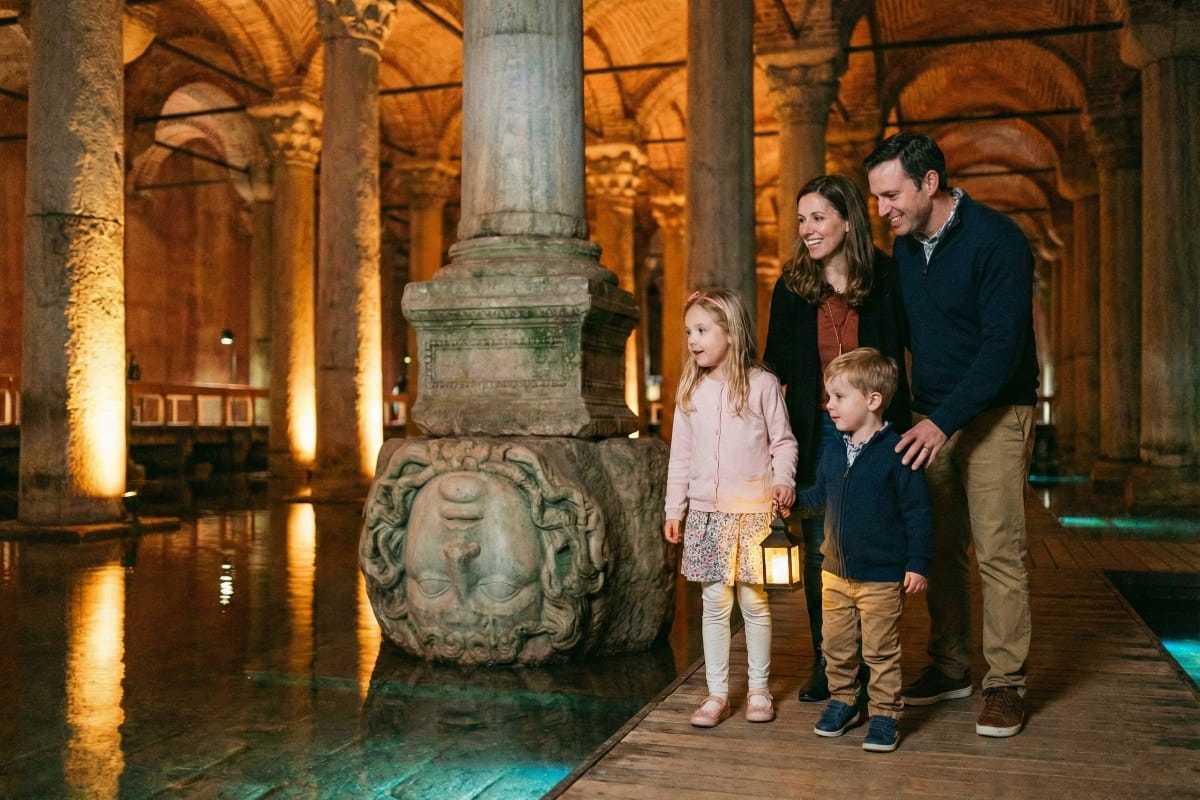
Stepping into the depths of Istanbul to explore the Basilica Cistern is like entering a page from a fantasy novel, a sensation that captures the imagination of adults and children alike. Known locally as Yerebatan Sarnıcı, this subterranean wonder located just a stone's throw from the Hagia Sophia offers a cool, mysterious escape from the bustling city streets above. However, for parents traveling with young children, the idea of descending underground into a dimly lit ancient water reservoir can raise a few logistical questions. From navigating walkways to keeping energetic toddlers engaged, a little preparation goes a long way in ensuring this historical site becomes a highlight of your family trip to Turkey.
Visiting historical sites with children requires a balance of education, entertainment, and practical comfort, and the Basilica Cistern is uniquely positioned to offer all three if approached correctly. The atmosphere inside is naturally quiet and echoing, which might seem daunting for parents of loud little ones, but the sheer scale of the columns usually leaves young visitors in awe-struck silence. As we navigate through the travel landscape of 2026, facilities and accessibility have seen improvements, yet the ancient nature of the structure still demands specific planning. This guide is designed to walk you through every step of the journey, ensuring your descent into history is smooth, safe, and incredibly fun for the whole family.
Navigating the Cistern: Strollers and Accessibility
One of the most common concerns for parents visiting the Basilica Cistern is the question of mobility, specifically regarding strollers and prams. While Istanbul is becoming increasingly accessible, it is important to remember that this structure was built in the 6th century, long before modern accessibility standards were established. Generally, there is an elevator available for visitors with disabilities and families with strollers, which allows you to bypass the long flight of stairs at the entrance. However, mechanical issues or maintenance can occasionally render lifts temporarily out of service, so it is always wise to be mentally prepared to carry a stroller down the stairs if necessary.
Once you are on the walkway level, the experience is relatively smooth, as the raised platforms that wind through the forest of columns are flat and generally wide enough for a standard stroller. However, the wooden or metal grating can be a bit bumpy, and the floor is often damp, so traction is key. For parents with infants or very young toddlers, opting for a baby carrier or a sling is often the superior choice. Wearing your baby allows you to navigate the crowds more nimbly and lets you get closer to the edge of the walkways to point out the carp swimming in the shallow waters below without maneuvering a bulky set of wheels.
Safety Considerations Underground
The interior of the cistern is intentionally kept dim to preserve the atmosphere and the structure, which means visibility is low. Parents should keep a close eye on walking children, as the railings, while secure, are open-style in many sections. The walkways can also be slippery due to the high humidity and dripping water from the vaulted ceiling. It is highly recommended to dress children in shoes with good grip rather than flip-flops or smooth-soled sandals. Additionally, explain to your kids beforehand that running is not allowed, not just for respect, but for their own safety on the slick surfaces.
Bringing History to Life: Engaging Activities for Kids
History doesn't have to be boring, and the Basilica Cistern provides the perfect backdrop for storytelling that will captivate young minds. Instead of focusing on dates and architectural terms, frame the visit as an exploration of a secret sunken palace. The environment itself, with its soft amber lighting and the sound of dripping water, sets the stage for a mystery adventure. You can create a simple scavenger hunt list before you arrive, challenging your children to find specific items such as the largest fish, a column that looks like a tree trunk, or the darkest corner of the cistern. To add an extra layer of fun, consider giving each child a small notebook and pencil to sketch their favorite column or fish they spot. This encourages observation and provides a creative outlet during the visit.
The Quest for the Medusa Heads
The undisputed highlight for most children is the discovery of the two Medusa heads located at the far end of the cistern. These giant stone carvings, used as bases for two columns, are shrouded in mythology that kids love. Turn the walk to the back of the cistern into a "Quest for the Monster." Tell them the legend of Medusa—the woman with snakes for hair who could turn people to stone—and explain that the builders placed her head upside down and sideways to cancel out her powers. When they finally find the heads, the visual payoff is immense, and it provides a fantastic photo opportunity that feels like a reward for their patience.
The Crying Column and Wishing Tradition
Another engaging spot is the Hen’s Eye Column, often referred to as the "Crying Column" due to the water that constantly weeps down its sides and its tear-drop carvings. There is a local tradition associated with this column that children find fascinating. Legend says that if you put your thumb into a hole in the column and rotate your hand 360 degrees, your wish will come true. Allowing your kids to make a wish connects them physically to the history of the site and gives them a fun, tactile activity. It’s a small interaction that often becomes a cherished memory of their time in Istanbul.
Family-Friendly Facilities and Comfort
Understanding the layout and available facilities is crucial for preventing mid-visit meltdowns. The temperature inside the Basilica Cistern remains constant year-round, usually hovering around a cool 15-20 degrees Celsius. In the sweltering heat of an Istanbul summer, this acts as a wonderful natural air conditioner and provides a refreshing break for overheated children. Conversely, if you are visiting during the winter months, it might feel slightly warmer or damper than the outside air. It is always a good idea to bring a light layer or a cardigan for the kids, as the dampness can make the air feel chillier than it actually is after 20 or 30 minutes underground.
Regarding restrooms, there are facilities available near the exit of the museum, but they can be crowded. It is highly advisable to have everyone use the restroom before entering the queue or immediately upon exiting. There are no food or drink vendors inside the cistern itself to protect the water and the structure, so make sure everyone is fed and hydrated before you enter. The tour typically takes about 30 to 45 minutes, which is a manageable duration for most children without needing a snack break. For younger children with shorter attention spans, consider breaking up the visit into smaller segments, focusing on one or two key features at a time, such as the Medusa heads or the Crying Column. This can help prevent boredom and keep them engaged throughout the experience.
Summary of Practical Tips for Families
To ensure you have all the necessary information at a glance, here is a quick reference guide for planning your family visit to this subterranean wonder:
| Category | Recommendation |
| Strollers | Allowed and accessible via lift, but a baby carrier is recommended for ease of movement on damp walkways. |
| Clothing | Wear non-slip shoes. Bring a light jacket even in summer due to the cool, damp underground climate. |
| Best Time to Visit | Early morning (opening time) or late afternoon to avoid the largest tour groups and long queues. |
| Duration | Plan for 45 minutes inside. This is short enough to keep kids interested but long enough to see everything. |
| Photography | Flash photography is often discouraged or ineffective; use night mode. Great for spooky family selfies. |
| Interactive Elements | Focus on the Medusa heads and the Wishing Column to keep children engaged. |
After the Visit: Decompressing Nearby
Once you emerge from the underground darkness back into the daylight of Sultanahmet, your children might need to burn off some energy or have a sensory reset. Fortunately, the exit of the Basilica Cistern places you right in the heart of the historical peninsula. The square between the Hagia Sophia and the Blue Mosque is pedestrian-friendly and offers plenty of space for kids to run around. It is a great spot to sit on a bench, watch the fountains, and let the kids chase the pigeons while you digest the history you’ve just witnessed.
No family trip to this area is complete without experiencing the famous Turkish ice cream (Maraş dondurma). Just steps away from the cistern exit, you will find vendors dressed in traditional vests engaging in the playful performance of serving ice cream. They tease customers by flipping the cones and pretending to drop the ice cream, a trick that usually sends children into fits of giggles. Treating your family to a cone is the perfect reward after a successful museum visit, ending your cultural expedition on a sweet and joyful note.