Guided Tours vs. Audio Guides: Which Option is Best for You?
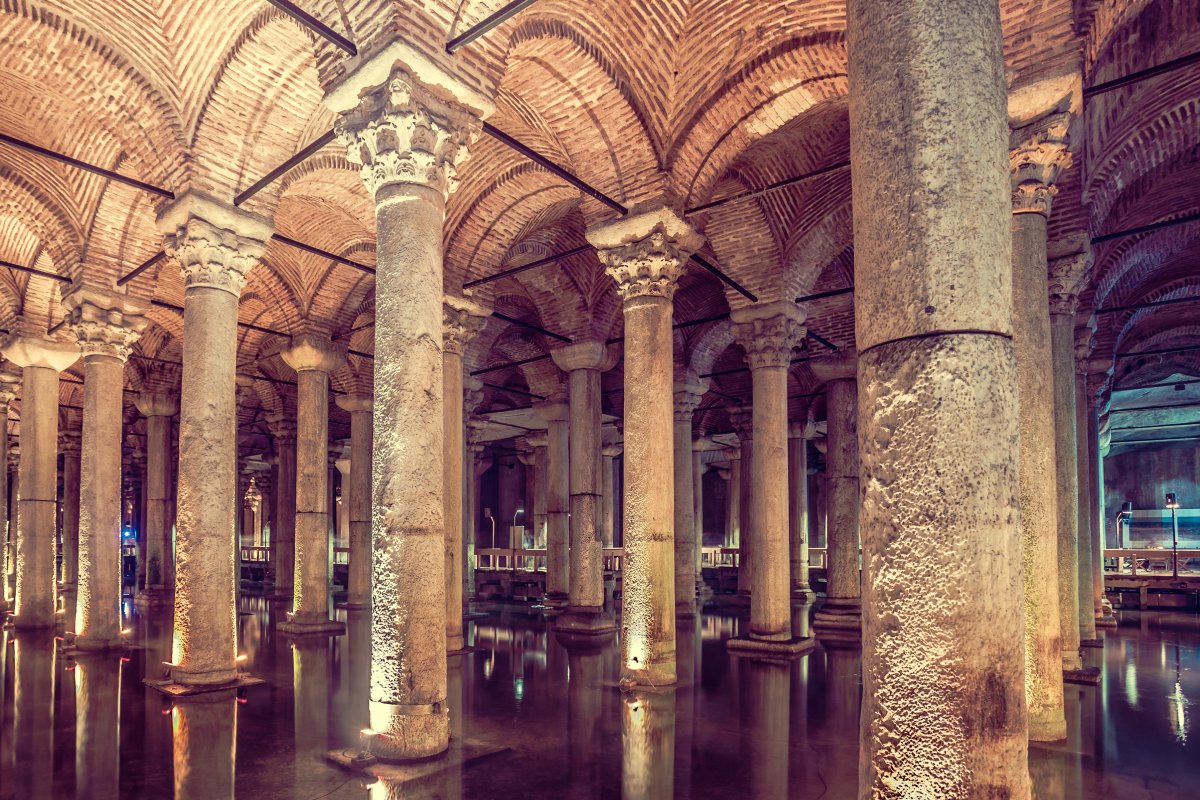
Standing in the shadow of an ancient monument or walking through the grand halls of a world-renowned museum is a bucket-list moment for many travelers. The anticipation builds for months, but when you finally arrive, a critical question arises: how should you experience it? For some, the ideal visit involves a charismatic expert weaving narratives that bring cold stones to life. For others, the dream is a solitary communion with history, headphones on, moving at a rhythm dictated only by curiosity. The debate between joining a guided tour and utilizing a digital audio guide is one of the most common dilemmas in modern travel planning, and the right answer depends entirely on your personal travel style.
Making the wrong choice can lead to frustration. You might find yourself trapped in a slow-moving group when all you want to do is linger in front of a specific painting, or conversely, you might wander aimlessly through a vast archaeological site, staring at ruins without understanding their significance. To help you navigate this decision, we need to look beyond just the price tag and examine the nuances of time, depth, and engagement. Whether you are a history buff craving academic discourse or a photographer chasing the perfect light, understanding the pros and cons of each method is the key to unlocking a memorable trip.
The Human Connection: The Case for Historian-Led Guided Tours
There is an undeniable magic to having a passionate storyteller guide you through the annals of history. Professional guided tours, particularly those led by historians or art experts, offer a curated narrative that connects the dots in ways a guidebook rarely can. When you join a group tour, you aren't just looking at artifacts; you are stepping into a storyline where the guide sets the stage, introduces the characters, and builds tension. This human element can transform a pile of old rocks into a bustling ancient marketplace in your imagination. The energy of a good guide is infectious, often turning a dry subject into a fascinating journey that stays with you long after the trip ends.
Interactive Learning and Exclusive Access
One of the most significant advantages of a live guide is the ability to interact. If a particular detail sparks your interest, you can ask questions and get immediate, tailored answers. This dynamic exchange creates a deeper level of engagement that pre-recorded audio simply cannot match. Furthermore, guided tours often come with logistical perks. Many tour operators have arrangements that allow groups to access restricted areas, skip long entrance lines, or visit during off-peak hours. These "behind-the-scenes" moments often become the highlight of a vacation, offering a sense of exclusivity and privilege that independent travelers miss out on.
The Social Aspect of Group Travel
For solo travelers or those who enjoy meeting new people, group tours provide a built-in social environment. Sharing a moment of awe with fellow travelers creates an instant bond. Whether it is laughing at a historical anecdote or gasping collectively at a stunning view, the shared experience adds a layer of camaraderie to the visit. However, this comes with the trade-off of moving at the group's pace. You are committed to the itinerary, which means if the group moves on from a room you love, you generally have to follow.
The Freedom of Solitude: The Case for Digital Audio Guides
On the other end of the spectrum lies the digital audio guide. In recent years, technology has revolutionized this experience. Gone are the days of clunky, heavy devices with poor sound quality. Today's audio guides are often sleek apps on your own smartphone or sophisticated devices provided by the venue, offering immersive soundscapes and multi-layered information. The primary luxury here is absolute freedom. You are the captain of your own ship, deciding exactly which exhibits to prioritize and which to skip entirely. If you want to spend forty-five minutes analyzing a single sculpture, no one is tapping their watch urging you to move along.
Budget-Friendly and Flexible
For travelers keeping a close eye on their budget, audio guides are almost always the more economical choice. They provide a wealth of information for a fraction of the cost of a live guide. This affordability allows you to allocate your travel funds elsewhere, perhaps towards a fine dining experience or an extra day in the city. Additionally, the flexibility extends to timing. With an audio guide, you don't have to worry about meeting a group at a specific time slot. You can arrive whenever you please, take breaks for coffee whenever you are tired, and resume your exploration when you are ready. This is particularly beneficial for families with young children or photographers who need to wait for the crowds to clear to get the perfect shot.
Introspection and Atmosphere
Exploring with an audio guide allows for a more introspective experience. It isolates you from the noise of the crowd, creating a personal bubble where you can connect emotionally with the surroundings. The narration is often accompanied by period music or sound effects—the clashing of swords, the murmur of a crowd, or classical compositions—which can be incredibly atmospheric. For introverts or those who find large groups draining, this method of exploration is often far more rewarding and less stressful.
Head-to-Head: Breaking Down the Differences
To truly understand which option suits your current trip, we need to compare them directly across the factors that matter most: cost, duration, and the depth of historical context. While both methods aim to educate, they do so through very different delivery systems. Below is a detailed breakdown to help you visualize the trade-offs.
| Feature | Historian-Led Group Tour | Digital Audio Guide |
| Cost | Premium investment; reflects the expertise of the guide and logistics. | Budget-friendly; often a small add-on or free via apps. |
| Duration | Fixed duration (e.g., 2-3 hours). You must stick to the schedule. | Flexible. Can be as short as 30 mins or last all day. |
| Depth of Context | Curated storytelling. Connects broad themes but may skip minor details. | Fact-dense. You can choose to listen to deep dives on specific items. |
| Interaction | High. Q&A sessions and social interaction with the group. | Low/None. Passive listening, though you control the flow. |
| Pace | Dictated by the guide and the slowest member of the group. | 100% self-paced. Linger or rush as you please. |
How to Decide: A Checklist for Your Next Trip
Still on the fence? Sometimes the decision isn't about which method is objectively "better," but rather which one fits the specific context of your day. For instance, visiting the Vatican Museums is a vastly different beast than visiting a small contemporary art gallery. Here are a few scenarios to help you make the final call:
- Choose a Guided Tour If:
- You are visiting a massive, overwhelming site (like Pompeii or the Louvre) and don't know where to start.
- You learn best through storytelling and conversation rather than listening to recorded facts.
- You want to access restricted areas that the general public cannot see.
- You have a limited amount of time and want to ensure you see the "Greatest Hits" without getting lost.
- Choose an Audio Guide If:
- You are on a tight budget and want to save money for other experiences.
- You are a photographer who needs time to compose shots without being rushed.
- You prefer a solitary, meditative atmosphere while exploring.
- You want the freedom to arrive late, leave early, or take a long lunch break in the middle of your visit.
Final Thoughts: It’s About Your Travel Rhythm
Ultimately, there is no right or wrong way to explore the world's treasures. The "best" option is fluid and can change from one day to the next. You might choose a high-end guided tour for the Colosseum because the history is dense and complex, but opt for a relaxed audio guide for the Musée d'Orsay to enjoy the Impressionist art at your own leisure. The most important thing is to be honest with yourself about what kind of traveler you are and what you need from that specific experience.
Travel is an investment in memories. Whether you choose the vibrant storytelling of a local expert or the serene freedom of a digital guide, ensure that your choice empowers you to connect with the destination. Don't be afraid to mix and match strategies throughout your trip to create a balanced itinerary that offers both depth and relaxation. After all, the goal is not just to see history, but to feel it.