Mastering Low-Light Photography: How to Capture the Best Photos Inside the Basilica Cistern
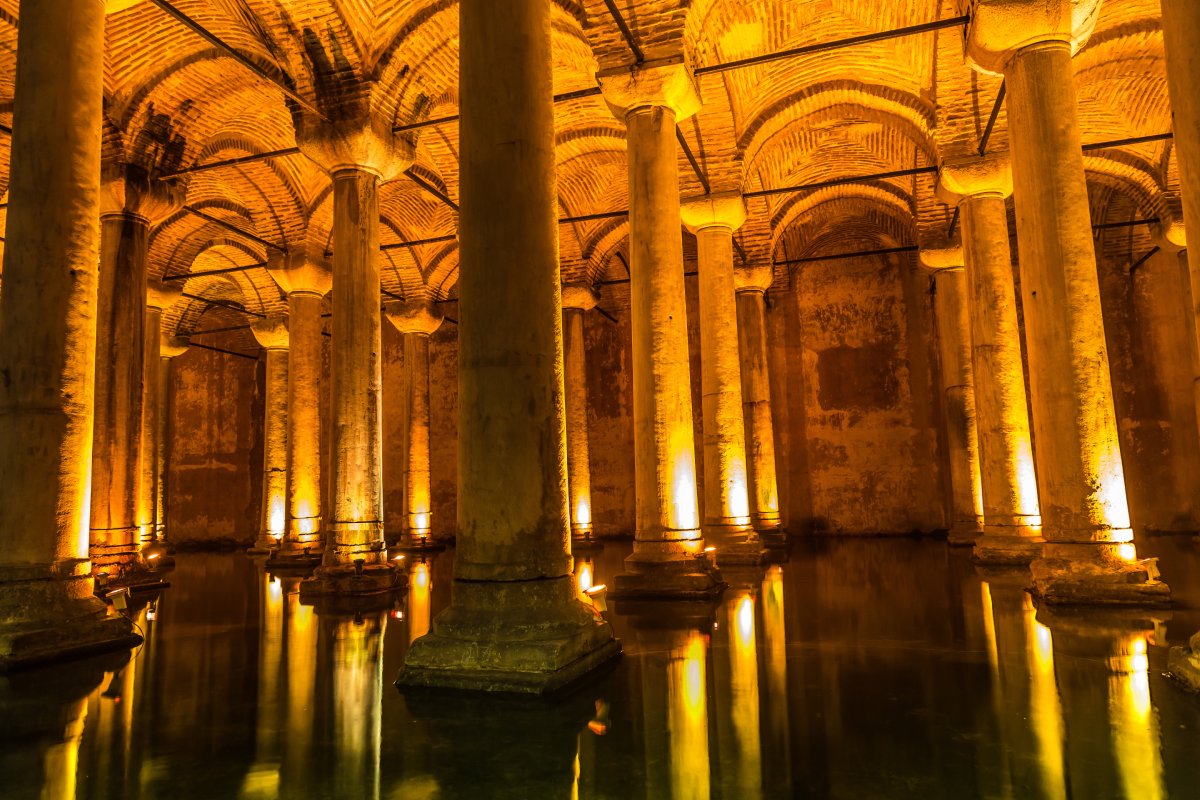
Stepping down the fifty-two stone steps into the Basilica Cistern feels less like visiting a museum and more like entering a forgotten realm beneath the earth. The air turns cool and humid, the sounds of the city above fade into a distant memory, and you are greeted by the eerie, amber glow of hundreds of marble columns rising from the dark water. For a traveler, it is a mesmerizing experience; for a photographer, however, it presents one of the most difficult technical challenges in Istanbul. The lighting is intentionally dim to preserve the atmosphere, creating a high-contrast environment that confuses automatic sensors and demands a steady hand.
Capturing the essence of the "Sunken Palace" without ending up with blurry, grainy, or underexposed images requires more than just pointing and shooting. Whether you are carrying a high-end mirrorless camera or the latest smartphone, the principles of low-light photography remain the same: you need to gather as much light as possible while maintaining sharpness. In this guide, we will explore how to manipulate your settings, utilize the environment for stabilization, and compose shots that utilize the magical reflections of the water, ensuring your memories look just as vivid as the reality before your eyes.
Understanding the Light: The Atmosphere of Yerebatan
Before you adjust a single dial, take a moment to observe how the cistern is illuminated. The lighting design has been updated in recent years to highlight the architectural depth of the structure, often shifting between warm amber tones and cooler blues or greens depending on the specific area or art installation present. This dynamic lighting creates dramatic shadows and silhouettes, which are visually stunning but can wreak havoc on your camera's light meter. The key to success here is not to fight the darkness, but to embrace it as a compositional element, allowing the shadows to define the mood while exposing for the highlights on the columns.
One of the biggest hurdles you will face is the restriction on equipment. Generally, tripods and large monopods are strictly forbidden inside the Basilica Cistern to prevent obstruction of the narrow walkways and damage to the historic structure. This means you are limited to handheld shooting or using the railings for support. Consequently, your technique becomes just as important as your gear; learning how to breathe properly while pressing the shutter and finding a stable stance will significantly improve your keep rate.
DSLR and Mirrorless Settings for Sharp Images
If you are shooting with a dedicated camera, you have the advantage of larger sensors that handle high ISOs better than phones. However, you must move away from 'Auto' mode immediately. In this environment, your camera will likely try to pop the built-in flash (which ruins the atmosphere and is often prohibited) or drop the shutter speed too low, resulting in motion blur. Switching to Manual (M) or Aperture Priority (Av/A) is essential to control the exposure triangle effectively.
To combat the lack of light, you will need to push your ISO higher than you might be comfortable with in daylight. Modern cameras can handle ISO 3200 or even 6400 with acceptable noise levels, especially if you shoot in RAW format. Shooting in RAW is non-negotiable here; it gives you the latitude to recover shadow details and correct the white balance in post-processing without destroying the image quality. Below is a quick reference guide for starting settings based on your lens capability.
Recommended Settings Guide
| Parameter | Fast Prime Lens (f/1.4 - f/1.8) | Standard Zoom Lens (f/3.5 - f/5.6) |
| Aperture | Wide open (f/1.8 or f/2.0) | Widest possible (f/3.5) |
| ISO | ISO 1600 - 3200 | ISO 3200 - 6400 |
| Shutter Speed | 1/60s or 1/50s | 1/30s or 1/15s (Requires stabilization) |
| Focus Mode | Single Point AF (Center) | Manual Focus (with Peaking) |
Smartphone Hacks for Professional Results
You do not need a heavy camera to capture stunning images of the cistern; modern smartphones are incredibly capable, thanks to computational photography. The "Night Mode" feature found on most devices is your best friend in this environment. This mode takes multiple exposures over a few seconds and merges them to reduce grain and boost brightness. However, the trick is to keep the phone absolutely still during those few seconds of capture to avoid a watercolor-painting effect.
Here are several actionable tips to elevate your mobile photography in the cistern:
- Exposure Lock (AE/AF Lock): Tap and hold on the brightest part of the column until you see the "AE/AF Lock" notification. Then, drag the sun icon down to lower the exposure. This prevents the lights from blowing out and keeps the shadows rich and dark, preserving the moody atmosphere.
- Use the Volume Button: Tapping the screen often introduces micro-jitters that blur the photo. Use the volume button on your headphones or the side of the phone as a shutter release to minimize camera shake.
- The Railing Trick: Since tripods are banned, use the walkway railings as a makeshift stabilizer. Press your elbows against your ribs and rest the base of your phone firmly on the railing to mimic a tripod's stability.
- Shoot in RAW/Pro Mode: If your phone supports it, enable RAW capture. This prevents the phone's software from aggressively smoothing out the textures of the ancient bricks and water.
Mastering Composition and Reflections
The Basilica Cistern is defined by its symmetry and the mirror-like quality of the water. The shallow water creates near-perfect reflections of the 336 marble columns, effectively doubling the visual height of the space. To maximize this effect, get your camera lens as close to the water surface as safety allows (without dropping it!). A low angle emphasizes the vastness of the ceiling and the endless rows of columns fading into the darkness.
Look for leading lines. The wooden walkways guide the viewer's eye through the frame, but they can also be distracting if they dominate the shot. Try to position yourself where the walkway leads the eye toward a lit column or a specific architectural feature, rather than cutting across the image. Additionally, framing is crucial; use the columns in the foreground to create a natural frame for the illuminated depths behind them, adding layers and three-dimensionality to your photo.
Photographing the Medusa Heads
The two Medusa heads located at the far end of the cistern are the most popular subjects, meaning they are also the most crowded. These areas are often dimly lit to enhance the mystery. To capture them without the graininess, wait for a gap in the crowd so you can get close. Avoid using flash at all costs, as it flattens the texture of the stone and washes out the eerie shadows that give Medusa her menacing look. Instead, increase your exposure compensation slightly (+0.3 or +0.7) to bring out the details in the dark stone carvings.
Navigating Crowds and Etiquette
As of late 2025, the popularity of the Basilica Cistern has only grown, and finding a moment of solitude is rare. Photography here requires patience. If a tour group is blocking your shot, wait two minutes; they usually move fast. Alternatively, use the crowds to your advantage. A long exposure (if you can stabilize your camera on a railing) can blur moving people into ghostly figures, adding a sense of motion and scale to the ancient, static architecture.
Be mindful of your surroundings. The walkways are narrow and often slippery. Stopping suddenly to check your photos can cause a traffic jam or accidents. Always step to the side if possible, or check your images once you have moved to a wider platform. Furthermore, turn off all camera sounds. The cistern has amazing acoustics, and the constant "beep-beep" of focus confirmation echoes loudly, disturbing the peaceful ambiance for other visitors.
Final Thoughts
Photographing the Basilica Cistern is a rewarding challenge that tests your ability to work with limited light and dynamic environments. It pushes you to understand your gear's limits and forces you to look at composition creatively. By stabilizing your shots, mastering manual exposure, and utilizing the stunning reflections, you can leave with images that truly do justice to the grandeur of this subterranean wonder. Remember, the best photo is the one that captures the feeling of being there, so don't forget to put the camera down occasionally and simply soak in the history.