Silent Guardians: The Resident Carp and the Cistern’s Living Ecosystem
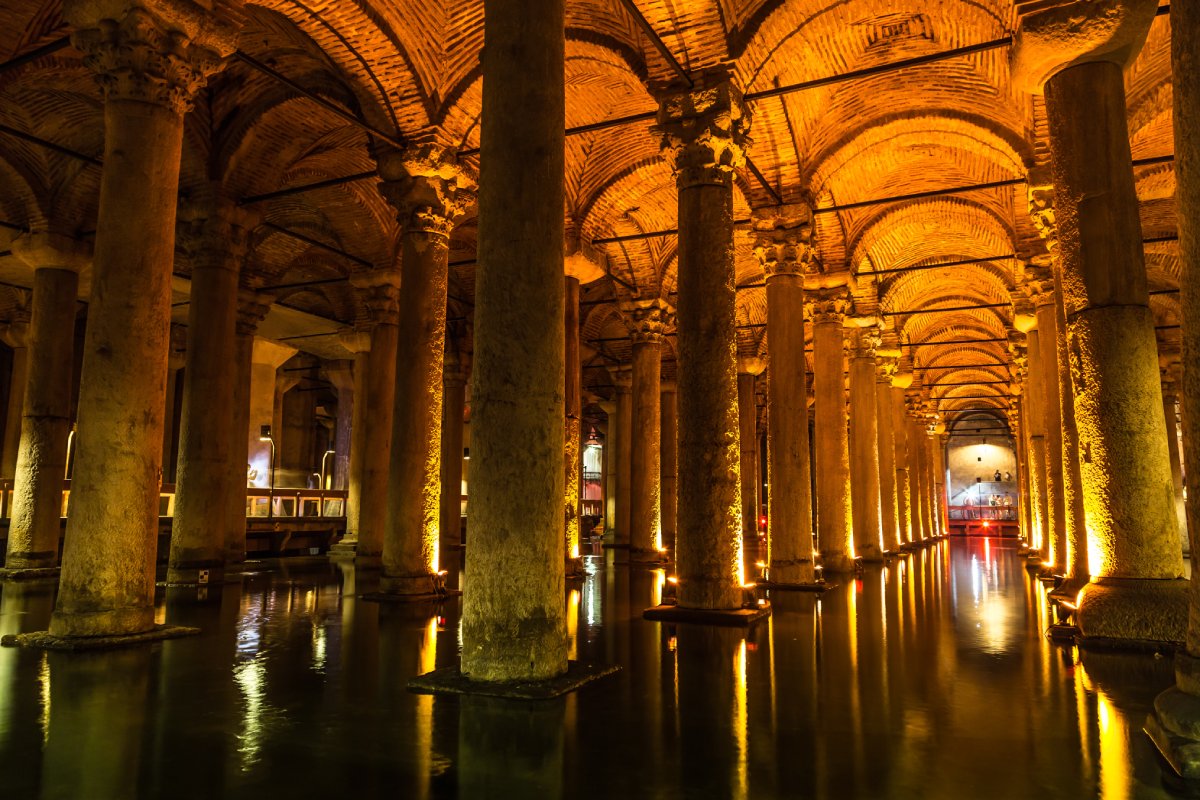
When you first step down the damp, stone staircase into the depths of the Basilica Cistern, your eyes are immediately drawn upward to the soaring arches and the endless rows of marble columns that seem to stretch into infinity. The lighting is dim, casting long, dancing shadows that whisper tales of the Byzantine Empire, while the air carries a distinct, cool moisture that offers a refreshing escape from the bustling streets of Istanbul above. However, while most visitors are busy capturing photos of the Medusa heads or admiring the architecture, there is a mesmerizing, living world thriving right beneath their feet. If you pause and look past the reflection of the lights on the water's surface, you will encounter the silent guardians of this sunken palace: the resident carp.
These fish are not merely decorative additions to a tourist attraction; they are the living pulse of the cistern, adding a layer of biological intrigue to an architectural masterpiece. As they glide effortlessly through the shallow waters, they create gentle ripples that distort the reflections of the columns, turning the water into a moving canvas of light and shadow. Their presence transforms the cistern from a static historical monument into a breathing ecosystem, bridging the gap between the ancient past and the living present. Understanding their role changes the entire experience of visiting this subterranean wonder, inviting you to appreciate not just the stone, but the life that inhabits it.
The Historical Purpose: Nature’s Poison Detectors
In the grand design of Constantinople's water supply, nothing was left to chance, and the presence of fish in the cisterns was far more than an aesthetic choice by the Byzantine engineers. Historically, these carp served a critical security function as biological indicators of water safety for the Great Palace and the surrounding city. In an era where poisoning water supplies was a genuine tactic of warfare and political sabotage, these fish were the first line of defense against unseen threats. If the fish remained healthy and active, it was a clear sign that the water was pure and safe for consumption; however, if they began to struggle or die, it alerted the guards to potential contamination immediately.
This primitive yet highly effective method of bio-monitoring ensured the survival of emperors and citizens alike during sieges and times of peace. The carp were essentially the 'canaries in the coal mine' for the city's hydration, playing a silent but heroic role in the survival of the capital. Today, while we have advanced technology to test water quality, the descendants of those historical guardians continue to swim in these waters, serving as a living tribute to the ingenuity of the past. It is a fascinating connection to history to realize that the slow-moving fish you see today are occupying the same ecological niche as those that protected the Byzantine emperors over a thousand years ago.
The Biological Role in the Ecosystem
Beyond their historical significance as safety monitors, the carp play a vital biological role in maintaining the cleanliness and balance of the cistern's aquatic environment today. The water in the Basilica Cistern is stagnant compared to a flowing river, which would normally make it a breeding ground for algae and various insects. The carp act as natural cleaners, consuming algae, insect larvae, and organic debris that fall into the water, thereby preventing the water from becoming murky or foul-smelling. Their continuous movement also helps to slightly aerate the water, preventing complete stagnation in the expansive, shallow pools.
The ecosystem here is surprisingly delicate, relying on a specific balance to sustain life in a low-light environment where photosynthesis is limited. To understand the differences between their past and present roles, we can look at how their function has evolved over the centuries while remaining integral to the site.
| Feature | Byzantine Era Role | Modern Era Role (2025) |
| Primary Function | Security and Poison Detection | Ecological Balance & Atmosphere |
| Water Source | Aqueducts (Belgrade Forest) | Recirculated/Managed City Water |
| Interaction | Monitored by Guards | Observed by Tourists |
| Diet | Natural organic matter | Algae, larvae, and controlled feeding |
Contributing to the Eerie Atmosphere
There is an undeniable mystique that the carp add to the Basilica Cistern, enhancing the already ghostly and ethereal ambiance of the underground chamber. As you walk along the raised wooden platforms, the sudden movement of a dark shape in the water below can be startling, reminding you that you are not alone in this vast, echoey hall. The fish are often dark in color grey, black, or dark orange which allows them to blend almost perfectly with the shadowy bottom of the cistern, only becoming visible when they turn and catch a glint of the orange artificial lighting. This game of hide-and-seek adds a layer of mystery, as if the cistern itself is watching you through the eyes of its aquatic residents.
The auditory experience of the cistern is also subtly influenced by their presence, creating a multi-sensory environment for the observer. Occasionally, a fish will breach the surface, creating a soft *plip* sound that echoes against the vaulted brick ceilings, piercing the heavy silence. These small, organic sounds contrast sharply with the dripping water and the hushed whispers of the crowd, grounding the supernatural feel of the place in biological reality. It turns the visit into a meditative experience, where the slow, rhythmic swimming of the carp encourages visitors to slow down and absorb the tranquility of the space.
Observation Tips for Visitors
If you want to get the best view of these silent guardians, you need to know where to look and how to photograph them without disturbing the peace. The lighting in the cistern is intentionally low to preserve the structure and create atmosphere, which can make spotting the fish a bit of a challenge for the untrained eye. Here are some tips to help you spot them and capture the moment:
- Look for Light Pools: The fish often congregate near the base of the columns where the spotlights hit the water, as this attracts microscopic food sources.
- Be Patient and Still: Rushing along the walkways will only result in seeing reflections; stop and stare into the dark patches between columns to see the shadows move.
- Turn Off the Flash: Flash photography is generally discouraged and ineffective here; it will glare off the water and scare the fish, ruining the shot and the mood.
- Visit the Medusa Heads: The water is often shallower and clearer near the famous Medusa bases, making it one of the best spots to see the carp up close.
Conservation and Visitor Etiquette
As we move through December 2025, the preservation of the Basilica Cistern's ecosystem has become a priority for the management, ensuring that this heritage site remains pristine for future generations. The carp are living creatures that require a specific environment to survive, and human interference can easily disrupt their habitat. In the past, it was common for visitors to throw coins into the water for good luck, a tradition seen in fountains worldwide, but this is highly detrimental here. The metal from the coins corrodes, altering the chemical balance of the water, which can be toxic to the fish and damaging to the ancient masonry.
Visitors are strictly urged to keep the water free of any foreign objects, including coins, plastic wrappers, or maps that might slip from their hands. The management has installed protective netting and barriers in certain areas, but the responsibility ultimately lies with the respectful behavior of the guests. By simply observing without interacting physically, we ensure that the carp continue to thrive as they have for centuries. Respecting the water is respecting the history; these fish are the custodians of the cistern, and in return, we must be the custodians of their home.
A Living Legacy Beneath the City
The Basilica Cistern is more than just a collection of ancient columns and water; it is a symbiotic relationship between architecture and nature that has survived the test of time. The resident carp are the silent storytellers of this relationship, carrying the legacy of Byzantine security measures into the modern world as ecological balancers. They remind us that history is not just found in dead stone, but in the living, breathing world that adapts and survives within it.
As you ascend the stairs back to the daylight of Istanbul, take a moment to remember the dark, cool waters below and the silent guardians swimming in the shadows. Their quiet presence is a crucial part of the cistern's soul, adding a depth of life to the cold stone that makes a visit to this underground palace truly unforgettable. Whether they are detecting poison for an emperor or simply eating algae to clear the view for a tourist, these carp are an integral thread in the tapestry of Istanbul's magnificent history.